


 Send Inquiry
Channel Nuts
Price 90 INR/ Piece
MOQ : 500 Pieces
Channel Nuts Specification
- Head Type
- Round
- Surface Treatment
- Galvanized
- Usage
- To place and secure fittings, electrical panels, junction boxes, or piping clamps within channels or conduits.
- Material
- Stainless Steel
- Product Type
- Channel Nuts
- Color
- Silver
Channel Nuts Trade Information
- Minimum Order Quantity
- 500 Pieces
- Supply Ability
- 1 Piece Per Week
- Delivery Time
- 1-2 Days
- Sample Available
- Yes
- Sample Policy
- Contact us for information regarding our sample policy
- Packaging Details
- Jute Bag
- Main Domestic Market
- All India
About Channel Nuts
Channel Nuts
Channel Nuts & Hardware are constructed with an electro galvanized zinc finish for long lasting durability. Fittings punch press made and conform to ASTM specifications. Nuts and bolts case hardened with unified coarse screw heads. Hardware and other supports and accessories are high quality system components designed to work with Unistrut framing system. Electro-galvanized zinc deposited on part in electroplating process. Types are Channel Nut, Channel Nut Without Spring and Top Retainer Nut.
Specifications:-
- Available sizes: M4, M5, M6, M8, M10, M12
- Available materials: grade 316/A4 stainless steel (SS), hot dip galvanised (HDG) and zinc plated (BZP)
- Suitable for: Metal framing channels, cable management system support, ducting channel, solar panel roof fixings.
Specification
|
Head Type |
square |
|
Material Grade |
MIld Steel |
|
Surface Treatment |
Galvanized |
|
Usage |
To place and secure fittings, electrical panels, junction boxes, or piping clamps within channels o |
|
Material |
MS |
|
Color |
Silver |
|
Shape |
Square |
|
Size |
M6 to m16 |
Durable Construction for Reliability
Manufactured from premium stainless steel, these channel nuts offer outstanding strength and longevity in various installations. The galvanized surface treatment further enhances rust resistance, making them ideal for demanding electrical, plumbing, and mechanical applications. Their robust build ensures secure anchoring and stability for fittings, panels, and conduits, regardless of environmental conditions.
Streamlined Installation Process
The round head design of our channel nuts allows for quick placement and alignment within standard channels. This streamlined installation saves time and labor, improving overall project efficiency for installers and maintenance professionals. Our nuts are engineered for ease of use in securing junction boxes, piping clamps, and electrical panels, giving you confidence in every job.
FAQ's of Channel Nuts:
Q: How are stainless steel channel nuts used in electrical and mechanical installations?
A: Stainless steel channel nuts are inserted into channels or conduits to anchor and secure fittings, electrical panels, junction boxes, and piping clamps. Their round head design allows for easy placement and alignment, ensuring quick and stable installation.Q: What are the main benefits of using galvanized stainless steel channel nuts?
A: Galvanized stainless steel channel nuts offer superior rust and corrosion resistance, making them ideal for use in harsh environments. They provide long-lasting durability, reducing the need for frequent replacements and ensuring a secure hold for various support structures.Q: When should I choose these channel nuts for my project?
A: These channel nuts are best chosen when you require reliable anchoring of fittings or components within channel framing systems, especially in environments where moisture or corrosion is a concern. They are suitable for both new installations and maintenance activities.Q: Where can I source stainless steel channel nuts in India?
A: You can obtain these stainless steel channel nuts from reputable distributors, exporters, importers, manufacturers, suppliers, and traders across India, including direct purchase from our company, ensuring you receive quality-assured products.Q: What is the process for installing channel nuts in conduits or channels?
A: To install, simply insert the channel nut into the channel, align it as needed, and tighten your fitting, electrical panel, or clamp onto the nut. This gives a secure attachment point and supports the intended component within the channel system.Q: What applications are these channel nuts ideal for?
A: These channel nuts are commonly used for mounting and securing electrical panels, junction boxes, piping clamps, and similar fittings within channels or conduits, making them essential in building, industrial, and infrastructure projects.Q: How do channel nuts enhance the efficiency of installation work?
A: Channel nuts simplify the mounting process by allowing quick and tool-friendly placement within channels, reducing installation time and minimizing labor, while ensuring a firm and stable hold for supported equipment.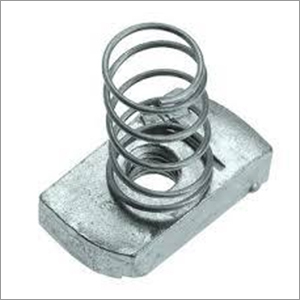
Tell us about your requirement

Price:
Quantity
Select Unit
- 50
- 100
- 200
- 250
- 500
- 1000+
Additional detail
Mobile number
Email

More Products in Metal Fasteners Category
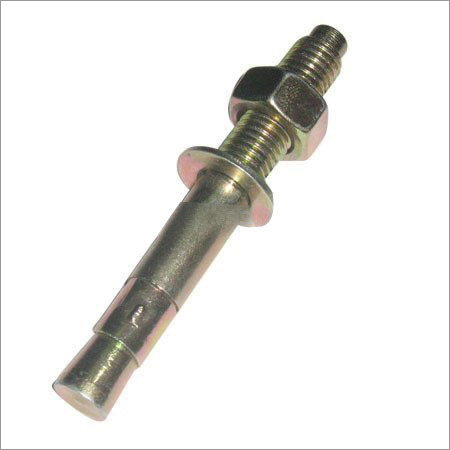
Wedge Anchor Fasteners
Price 80 INR / Kilograms
Minimum Order Quantity : 500 Kilograms
Product Type : Wedge Anchor Fasteners
Head Type : Round
Material : Stainless Steel
Usage : For Construction
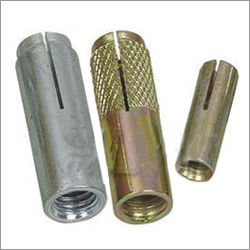
Brass Slotted Anchor
Price 90 INR / Kilograms
Minimum Order Quantity : 500 Kilograms
Product Type : Slotted Anchor
Head Type : Round
Material : Stainless Steel
Usage : For electrical, Sanitary Installation Work
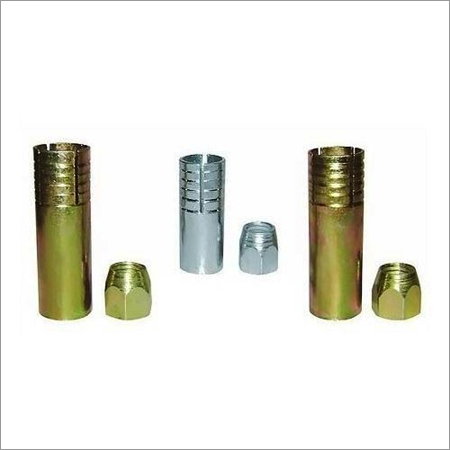
Fastener Sleeve Nuts
Price 80 INR / Kilograms
Minimum Order Quantity : 500 Kilograms
Product Type : Fastener Sleeve Nuts
Head Type : Round
Material : Stainless Steel
Usage : For Machinery and Construction
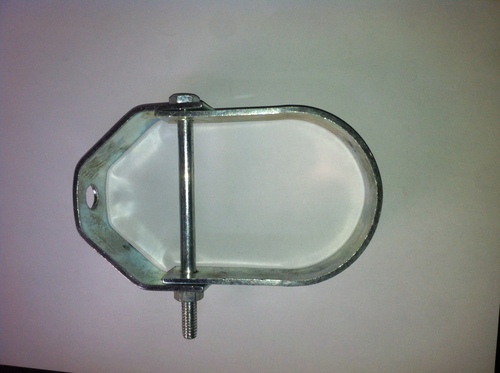
Clevis Hanger
Price 75 INR / Kilograms
Minimum Order Quantity : 500 Kilograms
Product Type : Clevis Hanger
Head Type : Ushaped
Material : Stainless Steel
Usage : As as a pipe attachment providing vertical adjustment for pipes.

YASHIKA EXPORTS
GST : 03DUCPR1972M1ZA
GST : 03DUCPR1972M1ZA

- SHOP NO.972, STREET NO.6,Ludhiana - 141003, Punjab, India
- Phone : 08071930677

- Mr. Satish
- Mobile : 08071930677
- Send Inquiry
 Send Inquiry
 Send Inquiry
 Send SMS
YASHIKA EXPORTS
All Rights Reserved.(Terms of Use)
Developed and Managed by Infocom Network Private Limited.
Developed and Managed by Infocom Network Private Limited.

